
Best Time To See Whales In Tenerife
There is no bad whale watching season in Tenerife. Resident pilot whales and bottlenose dolphins live off the southwest coast throughout the year. But if you also want a chance of seeing less common visiting species, some months are more interesting than others.
The short answer
For reliable whale watching, come any month of the year. Pilot whales can be seen year-round. For a greater chance of encountering additional species, spring is especially interesting, with May and June standing out for cetacean diversity.
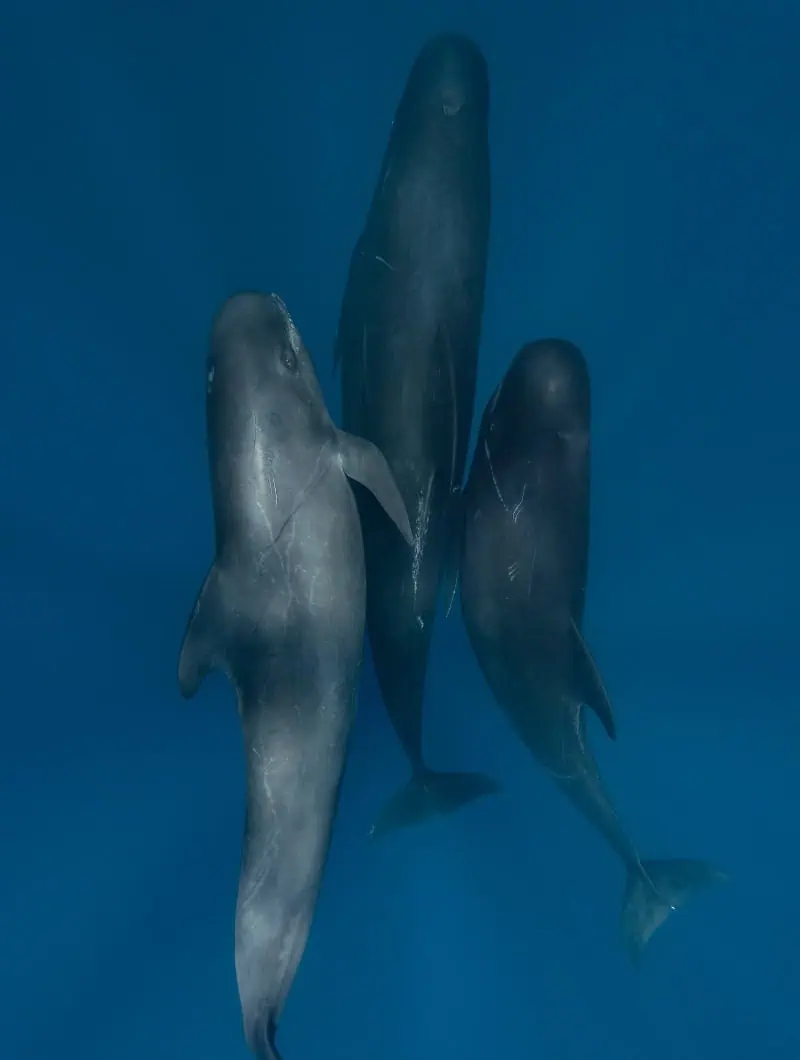
Can You See Whales In Tenerife All Year?
Yes. That is what makes Tenerife different from many whale watching destinations. You do not need to plan your entire holiday around one short migration season.
The waters between the southwest coast of Tenerife and La Gomera support permanent populations of short-finned pilot whales and bottlenose dolphins. These animals can be encountered throughout the year.
Tenerife Tourism reports that more than 20 cetacean species have been recorded around the island. Many are only occasional visitors, so it is important to separate the reliable residents from the exciting but unpredictable species.
That means if your question is simply, “What month should I visit Tenerife to see whales?”, the answer is easy: choose the month that works best for your holiday.
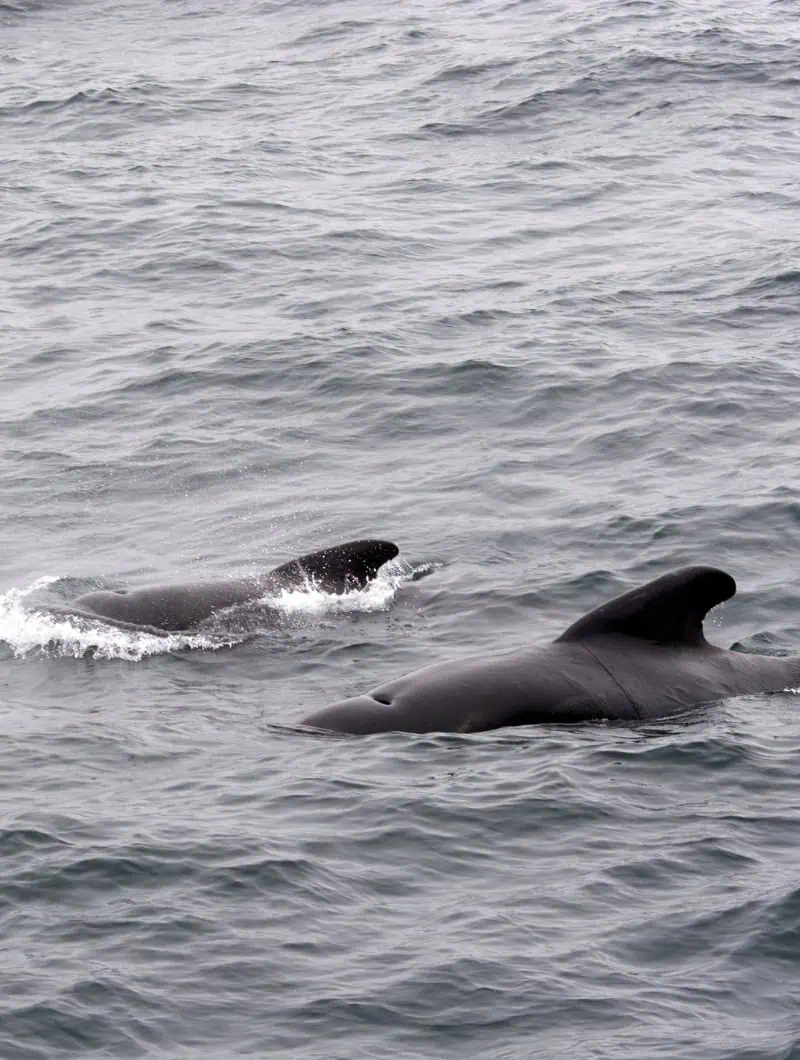
Short-Finned Pilot Whales
The star resident species and one of the most reliable cetaceans to encounter on Tenerife whale watching trips.
Bottlenose Dolphins
Another resident species that can be encountered off Tenerife throughout the year.
Whale Watching In Tenerife Month By Month
Wild animals do not follow a booking calendar. Think of this as a practical guide to what each part of the year can offer, not a promise that a particular species will appear.
January
Reliable residentsPilot whales and bottlenose dolphins remain the main attraction. Atlantic spotted dolphins are also more frequent during the cooler part of the year.
February
Reliable residentsYear-round pilot whales remain dependable. You also have a chance of encountering dolphins and occasional visiting cetaceans.
March
Spring beginsResident species stay reliable while the spring period starts to become more interesting for additional cetacean encounters.
April
More varietyA strong month for people who want the reliable residents plus a chance of encountering seasonal or passing species.
May
Excellent diversityOne of the most interesting periods for cetacean diversity. Sperm whale encounters are more frequent in spring.
June
Excellent diversityTenerife Tourism highlights May and June as particularly interesting months for additional cetacean species. Pilot whales remain present too.
July
SummerResident pilot whales and bottlenose dolphins keep whale watching reliable during the summer holiday season.
August
SummerA popular family holiday month. Do not worry about missing the “season” because the resident cetaceans are still here.
September
Year-round whalesPilot whales continue to live in the channel between Tenerife and La Gomera. There is still no need to wait for winter or spring.
October
Autumn varietyResident species continue as normal and Atlantic spotted dolphins become more frequent from autumn onwards.
November
Autumn varietyA good month for the resident whales plus the possibility of seeing more dolphin activity from visiting species.
December
Winter sunTenerife still offers whale watching while much of Europe is in winter. Pilot whales and bottlenose dolphins remain present.
Which Season Is Best For Whale Watching?
The answer depends on whether you want reliable whale sightings or the possibility of seeing a wider variety of species.
Winter
Pilot whales and bottlenose dolphins remain present. Atlantic spotted dolphins are more frequent during the cooler months.
Spring
Arguably the most exciting period if species variety matters to you. Sperm whales are more frequent during spring.
Summer
Reliable resident whale watching continues. Summer is busy, so booking a small group trip early is smart.
Autumn
The residents remain and Atlantic spotted dolphins become increasingly common again.
We would choose spring, especially around May and June. But if you simply want to see Tenerife’s famous pilot whales, there is no reason to avoid the other ten months.
What Whales Can You See In Tenerife?
The residents are dependable. The rest are part of what makes every trip different.
Short-Finned Pilot Whale
The species you are most likely to see. They live off Tenerife throughout the year.
Bottlenose Dolphin
A permanent Tenerife resident and one of the most recognisable dolphin species in the area.
Sperm Whale
Sperm whales can occur around Tenerife throughout the year, but official Tenerife information notes that they are more frequent in spring.
Atlantic Spotted Dolphin
This active dolphin species is more frequently seen from autumn through the end of spring.
Humpback And Blue Whales
Both have been recorded in Tenerife waters, but they are rare visitors and should never be expected on a normal trip.
Orcas
Orcas have been seen around Tenerife, but sightings are unusual and unpredictable. Think of one as an extraordinary bonus.
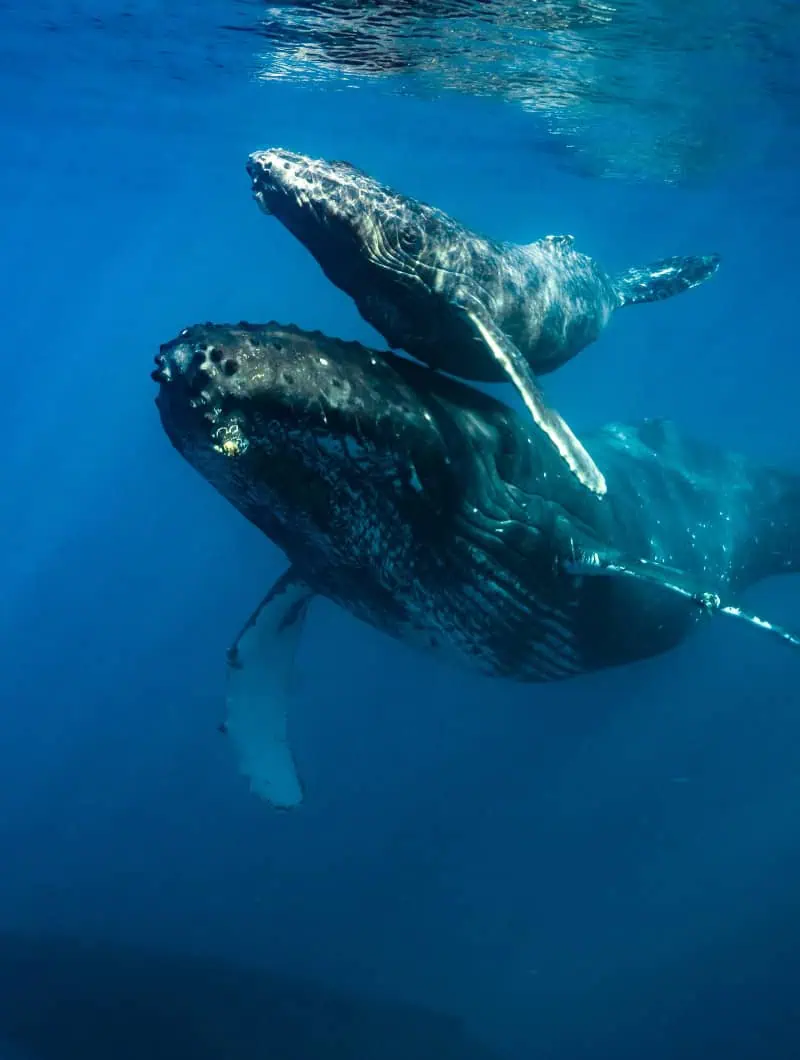
Do Not Choose A Month Just For A Rare Whale
This is an important expectation to get right. A whale watching calendar can show periods when certain species are more common, but it cannot turn rare wild animals into scheduled attractions.
You might see pilot whales on an ordinary Tuesday and then suddenly encounter a sperm whale, a different dolphin species or another migrating cetacean. That unpredictability is part of real whale watching.
If a website promises you a blue whale, humpback whale or orca because you are travelling in one particular month, treat that claim carefully.
For Atlantic Star, the goal is simple: look for the animals that are naturally present that day and respect them when we find them.
Morning Or Afternoon: What Time Should You Go?
The whales do not disappear after lunch. The biggest difference is usually the sea conditions and the atmosphere on the water.
09:30
Morning often brings calmer conditions and softer light. It is a strong choice for families and anyone worried about movement on the water.
12:30
A convenient middle-of-the-day departure with plenty of daylight and active whale watching boats already on the water.
15:30
Often a quieter feeling on the ocean. If the animals are found, fewer boats around can make the encounter feel especially peaceful.
Choose the departure that works best for your day. Morning can sometimes offer calmer water, but there is no guaranteed “best hour” for whales. Weather and sea conditions matter more than the clock.
So, When Should You Book?
I Mainly Want To See Whales
Book whenever you are in Tenerife. The resident pilot whales make whale watching possible throughout the year.
I Love Marine Wildlife
Consider spring, particularly May and June, when the chance of encountering additional species becomes especially interesting.
I Am Travelling With Family
Choose the best weather and departure time for your family rather than worrying too much about the month.
Want To See Tenerife’s Whales For Yourself?
Atlantic Star offers small group whale and dolphin watching from Puerto Colón in Costa Adeje with a maximum of only 10 guests.
Shared trip: about 3 hours with a maximum of 10 guests.
Departure: Puerto Colón, Costa Adeje.
Main wildlife: resident pilot whales and dolphins.
Prefer privacy? The Atlantic Star can also be booked as a private charter.
Questions About The Best Time To See Whales
What is the best month to see whales in Tenerife?
There is no single best month for Tenerife’s resident pilot whales because they can be seen throughout the year. If you are interested in a wider variety of cetacean species, spring, especially May and June, is particularly interesting.
Can you see whales in Tenerife all year?
Yes. Short-finned pilot whales live off the southwest coast of Tenerife throughout the year, which makes Tenerife a year-round whale watching destination.
What whales are most common in Tenerife?
Short-finned pilot whales are the whale species most commonly encountered on whale watching trips. Bottlenose dolphins are another important resident cetacean.
When is the best time to see sperm whales in Tenerife?
Sperm whales can occur around Tenerife throughout the year, but Tenerife Tourism reports that they are more frequently seen in spring. They remain an occasional sighting rather than a guaranteed species.
Can you see humpback whales in Tenerife?
Humpback whales have been recorded in Tenerife waters, but they are rare visitors. You should not choose a trip expecting to see one.
Can you see orcas in Tenerife?
Yes, orcas have occasionally been recorded around Tenerife. However, sightings are rare and unpredictable.
Is morning or afternoon better for whale watching in Tenerife?
Whales can be encountered throughout the day. Morning trips can sometimes have calmer sea conditions, while afternoon trips may feel quieter. The weather and sea conditions on the day matter more than the exact hour.
Where do whale watching trips leave from in Tenerife?
Many whale watching boats leave from the south and southwest of Tenerife. Atlantic Star departs from Puerto Colón in Costa Adeje.
Are whale sightings guaranteed in Tenerife?
Whales and dolphins are wild animals, so normal whale watching cannot guarantee a particular species or behaviour. Tenerife has exceptionally reliable resident cetacean populations, but every trip remains a wildlife experience.